
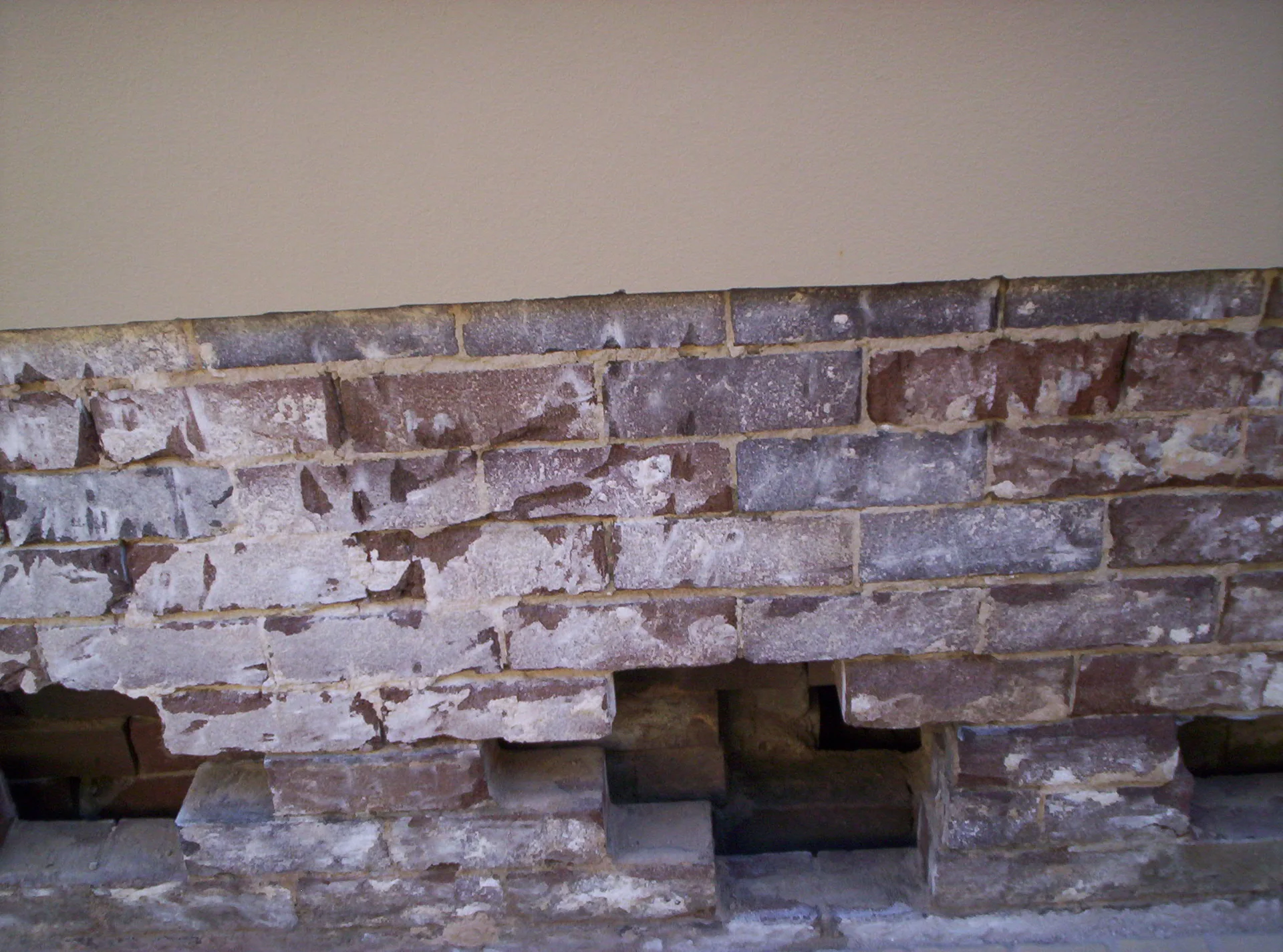
Why rising damp keeps returning
Many properties were built without an effective damp course, while others have a damp course that has failed over time. Repainting may hide the damage briefly, but it does not stop moisture moving through the wall.
Leaving the problem unresolved is rarely economical. Moisture and salts continue to affect plaster, paint and masonry beneath the surface, increasing the eventual repair scope.
A diagnosis-led treatment
BRW Remedial identifies the source and extent of moisture before recommending work. Depending on the building, a complete solution may include a replacement or injectable damp course, salt removal, ventilation and cosmetic repairs.
- Permanent damp-control solutions
- Injectable damp courses
- Salt and damaged-finish removal
- Plaster repairs and redecoration
Protect the building, not just the paint
Damp is more than a cosmetic issue. It can damage building fabric, encourage mould and aggravate asthma and other respiratory conditions. Correct treatment starts with understanding why moisture is present.